
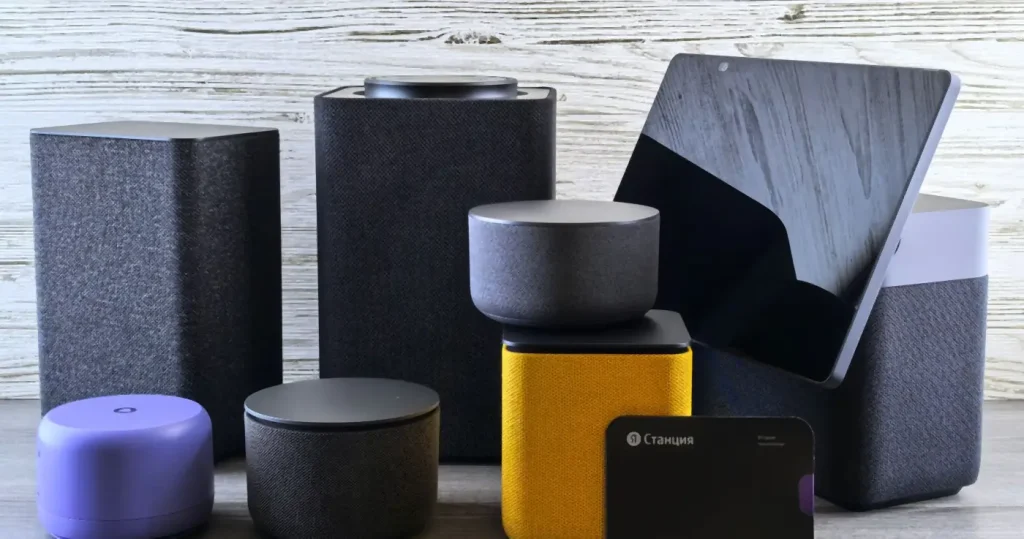
The Google Home vs Alexa question – with Siri as the third contender – is usually answered by American review sites comparing speaker sound quality. That is the wrong lens for a Singapore home. Here, the real questions are: which assistant understands your household’s mix of languages, which one talks to the devices actually sold here – Aqara, Tuya-based switches, IR aircon controllers – and which one still matters once a proper hub is running your automations. This guide compares all three the way an installer sees them, not the way a speaker reviewer does.
Google Home vs Alexa vs Siri at a glance
| Google Home | Amazon Alexa | Siri / Apple Home | |
|---|---|---|---|
| Best at | Natural questions, bilingual homes | Device support, routines | Privacy, iPhone households |
| Device compatibility | ~50,000 devices | 100,000+ devices | Smallest list; Matter helps |
| Built-in hub radio | Thread on some Nest units | Zigbee inside some Echo models | Thread on HomePod |
| Needs extra hardware? | No, speaker is enough to start | No, speaker is enough to start | Yes – HomePod or Apple TV as home hub |
| Phone fit | Android first, iPhone fine | Any phone | iPhone only, in practice |
First, what a voice assistant actually is
A voice assistant is the microphone and voice of your smart home. It is not the brain. The assistant hears “movie night”, but something still has to dim the lights, drop the curtains and switch on the TV in the right order. In a well-built home that something is the hub, and the automations keep running even when the voice layer is down. That distinction matters for this comparison: you are choosing the interface you will talk to daily, not committing your whole home’s logic to Google, Amazon or Apple. We covered the brain side in our smart home hubs comparison and why local beats cloud.
Google Home: the one that understands you best
Strengths. Google’s assistant remains the best at understanding natural, loosely-phrased questions, and supports continued conversation, follow-up commands without repeating the wake word. For Singapore’s multilingual households the killer feature is bilingual support: it can listen for two languages at once, so “turn off the lights” and a Mandarin follow-up both just work. Casting to Chromecast and Google TVs is native, and it reads your Gmail and Calendar context.
Weaknesses. Its compatible-device list – around 50,000 devices by CNET’s count – is roughly half of Alexa’s, and Google has a habit of renaming and reshuffling its smart home products (Home, Nest, now Gemini-powered speakers), which makes long-term planning feel wobbly even though the platform itself is not going anywhere.
Alexa: the one that connects to everything
Strengths. Alexa launched in 2014 – two years before Google Home – and that head start shows in device support: over 100,000 compatible devices, the largest of the three. Some Echo models carry a built-in Zigbee hub, so Zigbee sensors and bulbs can pair directly with the speaker, no separate bridge needed. Alexa’s routines are the most flexible of the three for stringing conditions and actions together without extra hardware.
Weaknesses. Alexa is the most command-and-control of the three. It wants phrasing it recognises. Its shopping integration is built around Amazon, which is less central to daily life in Singapore than in the US. And on screen-based Echo devices, you will see ads.
Siri and Apple Home: the quiet, private one
Strengths. Apple Home has the strictest privacy posture of the three, and with Matter and Thread it has become far easier to build around. If your household is all-iPhone, the integration is seamless – locks, cameras and scenes surface natively on every family member’s devices.
Weaknesses. Remote access and automations require a home hub device – a HomePod or Apple TV resident in the flat – which is an extra purchase the other two do not require. The compatible-device list is the smallest, and Siri remains the least capable at free-form questions. Mixed-phone households (one iPhone, one Android) lose most of the seamlessness.
Which understands Singapore homes best?
Three local realities shift the comparison away from the US reviews:
- Language. Households here switch between English, Mandarin, Malay and Tamil mid-sentence. Google’s bilingual listening handles the two-language household best; Alexa and Siri expect you to pick a lane.
- The devices sold here. Walk into any Singapore smart home showroom and you will meet Aqara, Tuya-based switches and IR blasters for aircon control. Most of it speaks Zigbee first, which means what matters is the hub in the middle, not which assistant you picked.
- Voice is a bonus here, not the backbone. The homes we build run on schedules, sensors and scenes; voice handles the exceptions. Choosing an assistant becomes low-stakes once the automation logic lives on the hub.
The part nobody tells you: you can stop worrying
With a hub-centred setup, the assistant choice stops being a marriage. A Zigbee-first system exposed through a local smart home hub can surface the same lights, curtains and sensors to Google Home, Alexa and Apple Home – simultaneously. One family member talks to the Nest speaker, another uses Siri on their watch, and the automations do not care. Matter is pushing all three platforms in exactly this direction (we explain the protocols in Zigbee vs WiFi vs Matter). The homes that get stuck are the ones where every device was bought for one assistant’s ecosystem, cloud by cloud.
So which should you choose?
- Android household, ask-it-anything usage, bilingual home → Google Home.
- Maximum device compatibility, heavy routines, mixed phones → Alexa.
- All-iPhone household that values privacy → Siri / Apple Home, with a HomePod or Apple TV as the hub.
- Building a whole-home system → choose the hub first, then add whichever speakers your family will actually talk to. You can support more than one.
Frequently asked questions
Who is better, Google Home or Alexa?
Google is better at understanding natural and bilingual speech; Alexa supports more devices (100,000+ vs around 50,000) and has more flexible routines. In a hub-centred Singapore home the honest answer is that both are good interfaces to the same automations. Pick by phone ecosystem and how your family talks.
Is Google Home being discontinued?
No. Google has renamed and reorganised its products over the years – Google Home speakers became Nest, and the assistant is being rebuilt around Gemini – but the platform and app remain active and supported. The renaming causes the rumours; the ecosystem itself is not going away.
What can Alexa do that Google can’t?
Pair Zigbee devices directly on Echo models with the built-in Zigbee hub, run some of the most flexible no-extra-hardware routines, and tie into Amazon shopping and package tracking. Google counters with better conversation, continued dialogue and bilingual listening.
Do voice assistants work without internet?
Mostly no – all three process most voice commands in the cloud, so a broadband outage silences them. This is exactly why we run automations on a local hub: schedules, sensors and wall switches keep working with the internet down, and voice control resumes when the connection returns.
Do I need a hub if I have Alexa or Google Home?
You can start without one – both control WiFi devices directly, and some Echo models include Zigbee. But for whole-home reliability, offline automations, and freedom to mix all three assistants, a dedicated local hub is the piece that does the heavy lifting; the speakers become interchangeable voices on top of it.
Which voice assistant is best for a Singapore home?
For most households here: Google Home for bilingual families on Android, Alexa for maximum device flexibility, Apple Home for all-iPhone homes. If the home runs on a local hub with Zigbee devices, you can genuinely support more than one at once, which is what we usually set up.
Voice control that works with all three
Roen builds hub-centred smart homes where Google Home, Alexa and Siri all plug into the same lights, curtains, aircon and security, with voice control across the home and automations that keep running even offline.
Device-compatibility figures are as reported by CNET’s long-term testing coverage (Alexa 100,000+ devices; Google approximately 50,000); platform features described – continued conversation, bilingual listening, built-in Zigbee on select Echo models, Apple Home’s home-hub requirement – reflect each vendor’s published capabilities as at 2026 and may change with software updates.